Optimizing a VPN funnel through behavioral insights

CRO Experiments @ CyberGhost VPN, 2022-2023

Company

CyberGhost VPN

Role

Product Designer

Team

2 Designers · CRO Team · Developers
CyberGhost CRO

01 — Background

CyberGhost VPN is a global VPN company focused on online privacy and security, serving millions of users worldwide. A large part of the business depended on how users moved through the pricing and checkout funnel.

This case study focuses on a series of experiments designed to improve that experience and better understand what drives hesitation before purchase. Users were reaching the pricing page, but many left without buying and we didn’t fully understand why.

My role focused on identifying behavioral patterns, translating research findings into design decisions, and designing experiments across the pricing and checkout funnel.

02 — The Problem

We were testing ideas without really understanding users

The pricing page already had ongoing optimization work and constant experimentation. But over time, the team realized something important: we were making decisions based more on assumptions than actual user behavior.

The data we relied on was outdated, and we lacked clear insight into why users reached the pricing page but didn’t complete a purchase.

Before testing new ideas, we first needed to understand what was actually creating hesitation and drop-offs in the purchase flow.

03 — Research

We started by listening to users

To better understand user hesitation, we launched exit-intent surveys across CyberGhost and sister brand PIA, reaching over 110,000 users across landing pages and pricing flows.

The first round used structured questions to identify recurring friction points, while the second asked one simple open question: “What made you leave without making a purchase today?”

Alongside survey responses, I analyzed heatmaps, scroll behavior, and funnel analytics to better understand how users interacted with the experience.

The research revealed recurring patterns around confusion, reassurance, and decision-making behavior across the funnel.
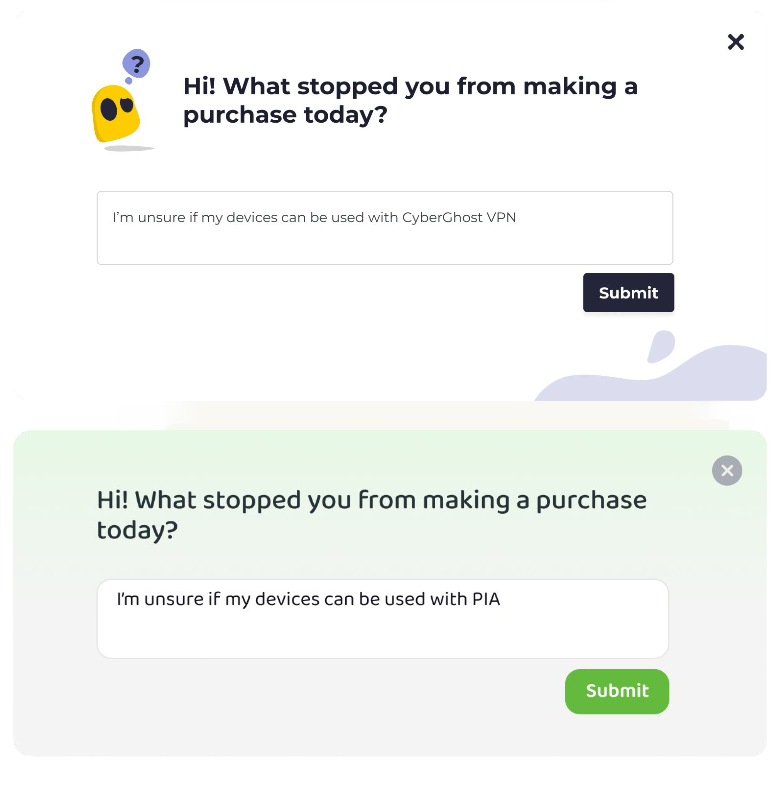
yberghost responses
PIA responses

Responses were grouped into recurring themes and compared against behavioral analytics and heatmaps.

04 — Insights

We started by listening to users

32%

left because of price

Price was #1 — but not the way we expected

Users weren’t just saying “too expensive.” They were confused by the pricing structure — renewal costs, upfront payments, and a money-back guarantee mistaken for a free trial.

“up front payment”

“thought there was a 30 day trial”

“do not want to pay more per month”

12%

didn’t understand what they get

Users couldn’t find what they needed

Users were actively looking for information about devices, servers, and streaming support, but much of it appeared too late in the flow or was easy to miss.

“I don’t know what I get”

“Is it router compatible?”

“can’t find germany in the europe list of servers”

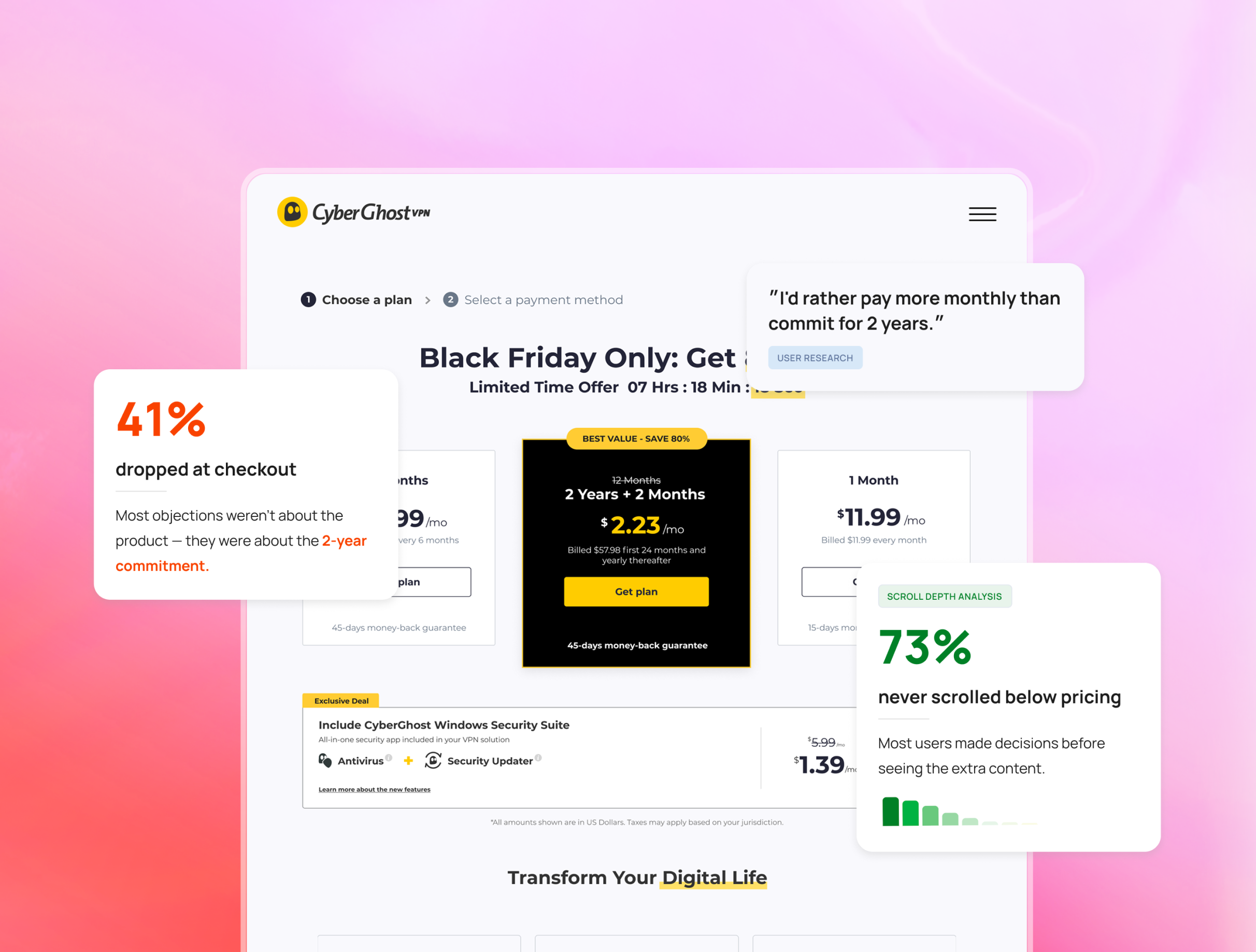
73%

never scrolled below pricing

Users decide fast

Most users never scrolled past the pricing cards, so many users never saw the information below.

The challenge wasn’t adding more information, but making the right information visible at the right moment.

05 — design approach

The research changed the way we approached the funnel. Instead of adding more content, we focused on making the right information visible at the right moment.

These principles guided the experiments we designed:

Make key information visible

Users often decided before reaching large parts of the page. We focused on surfacing important information earlier in the flow.

Put information where hesitation happens

Pricing details, reassurance, and product benefits performed best when placed close to the decision point.

Improve behavior, not just layouts

Instead of redesigning everything, we focused on improving weak points within patterns users already understood and trusted.

06 — The Experiments

Experiment 1 - A sticky CTA that boosted add-ons

Win

Fully implemented

Why we tested this

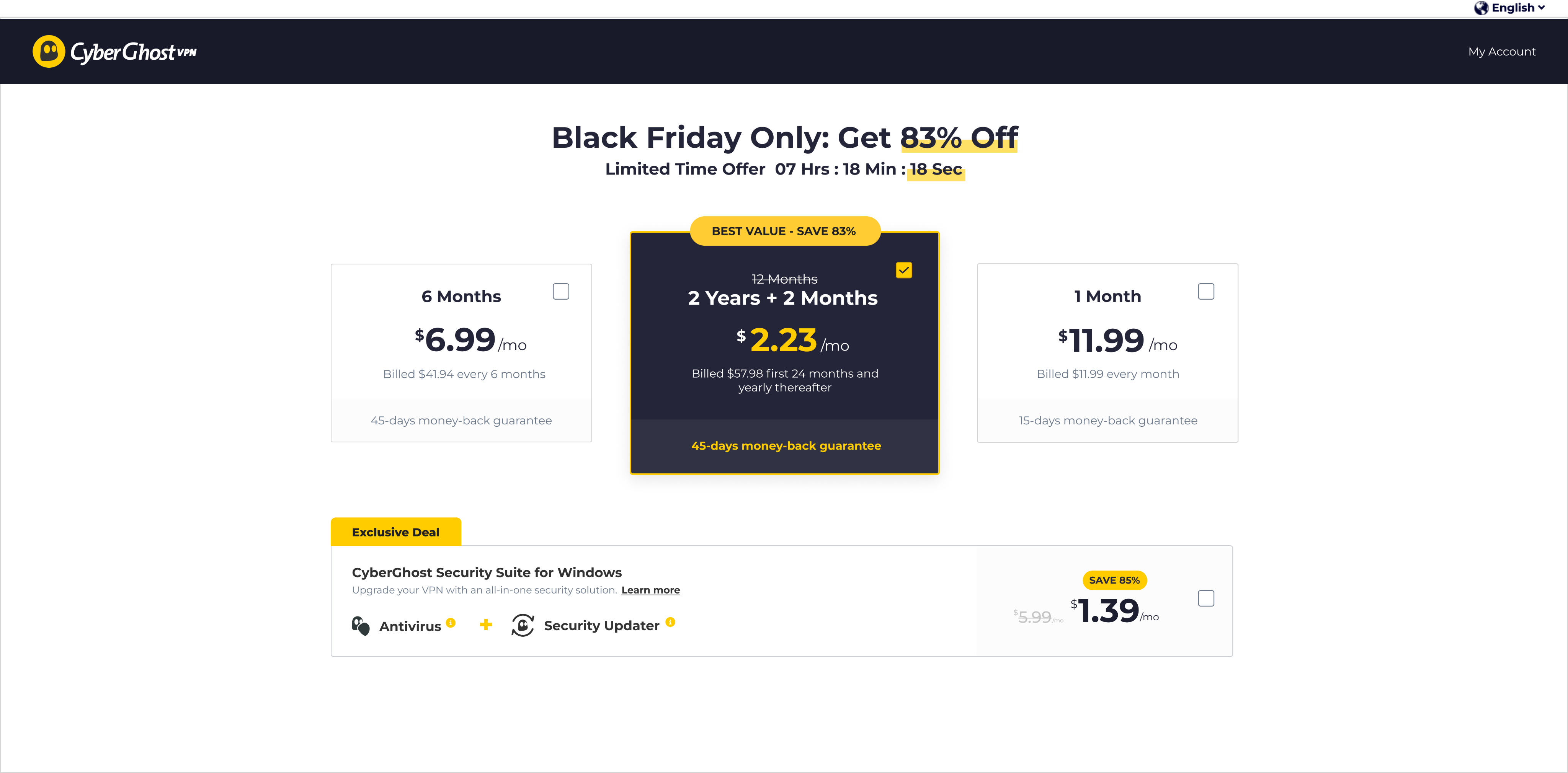
Users lost the checkout CTA while scrolling through the pricing page, especially on mobile. We believed keeping the CTA visible would reduce hesitation during the purchase flow.

What we changed

We introduced a sticky checkout CTA that remained visible throughout the pricing flow.

Control
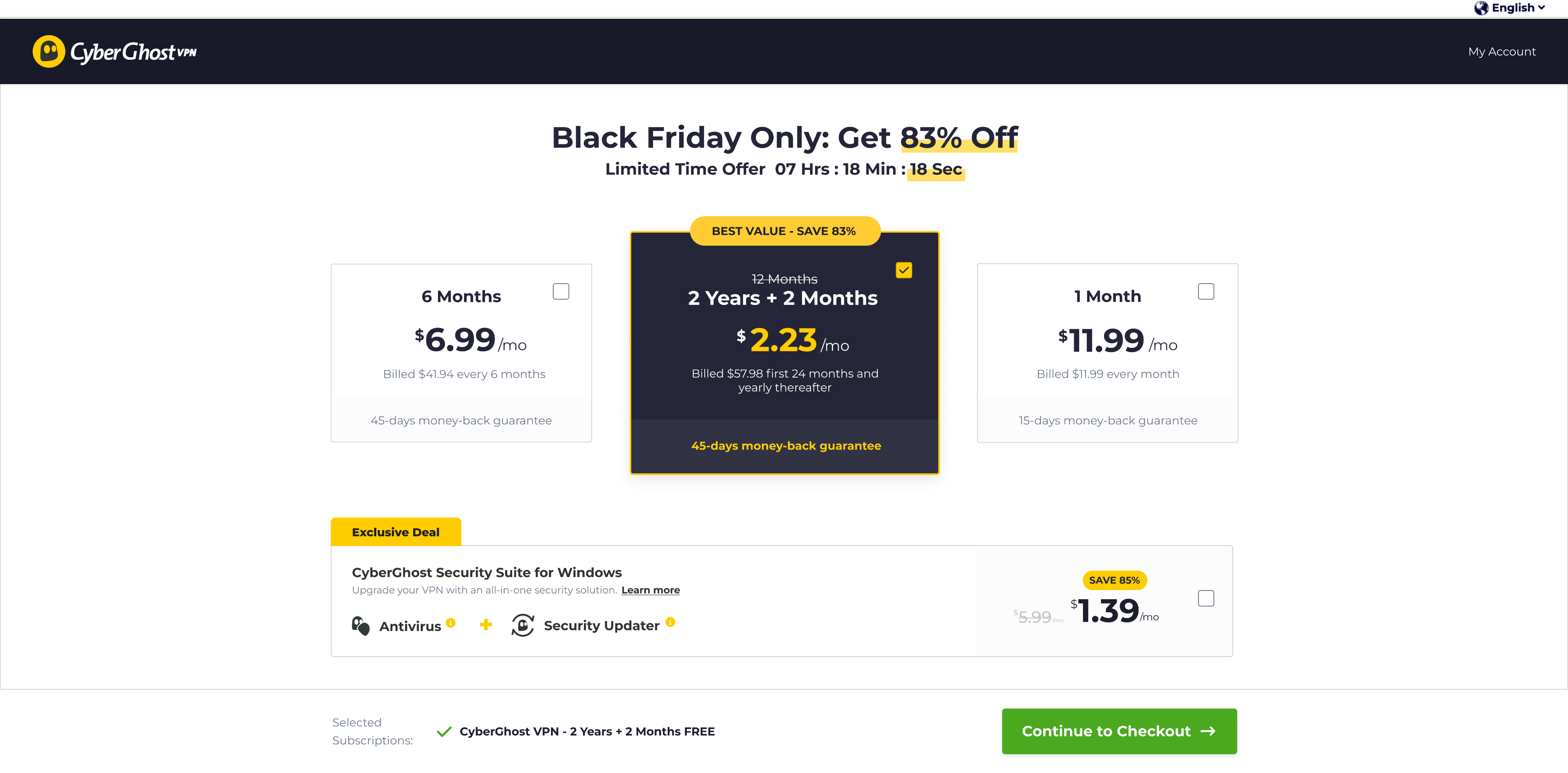
cyberghost pricing page

CTA disappears on scroll

Variation

cyberghost pricing page

CTA remains visible

What happened

+19.6%

add-on purchases

+6%

average order value

The sticky CTA didn’t increase VPN plan purchases directly, which surprised us. Instead, it increased users’ confidence to continue exploring add-ons.

What we learned

Keeping the CTA visible helped users stay in the flow longer

Users were less likely to drop off when the purchase action stayed accessible

Even a small UI change affected purchase behavior

Experiment 2 - More content didn’t increase conversions

Inconclusive

Iterated

Why we tested this

Research showed that many users felt unsure about what they were actually getting. We believed adding more product benefits, visuals, and reassurance below the pricing cards would help users feel more confident before purchasing.

What we changed

We expanded the pricing page with additional benefit sections, feature highlights, screenshots, and social proof placed below the pricing cards.

Control
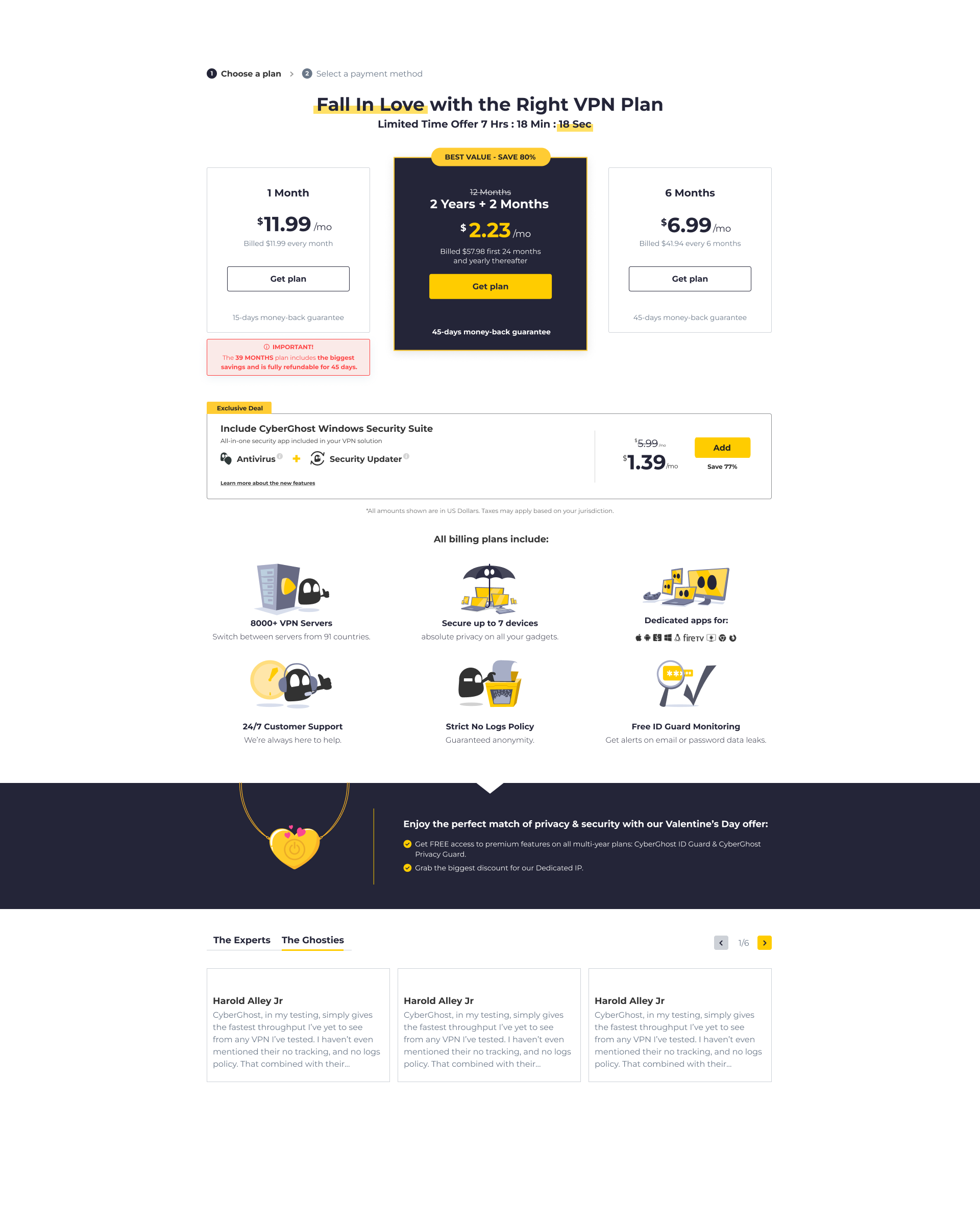
Short benefit section near pricing

Variation
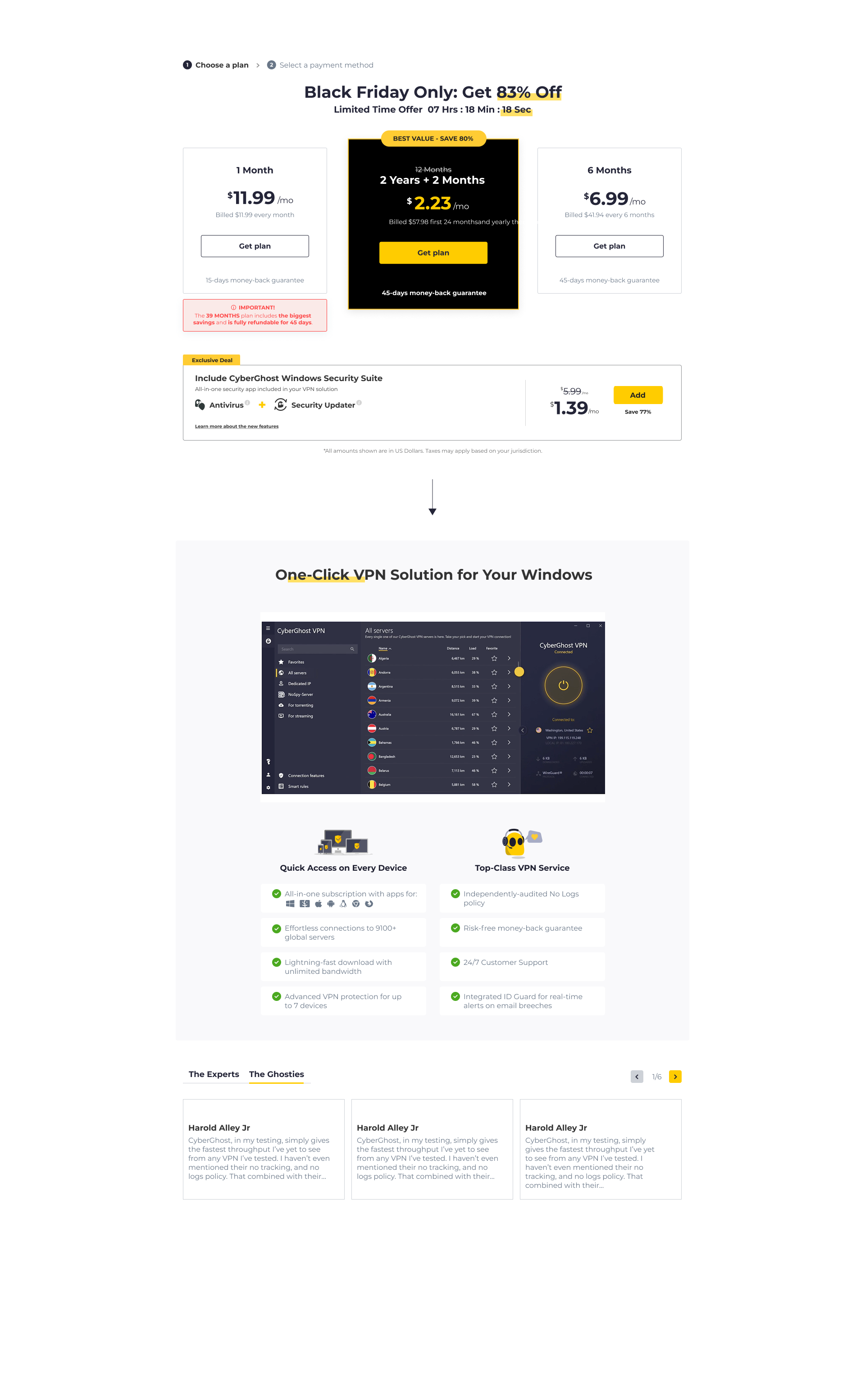
New section

Detailed product sections added below pricing

What happened

-2.5%

Overall conversion rate

Low interaction

With the new sections

The additional content didn’t improve conversions. Heatmaps showed that most users never reached the new sections.

Users weren’t asking for more content — they were asking for the right information earlier in the flow.

cyberghost heatmap
cyberghost heatmap

What we learned

Most users made decisions before reaching the new sections

Placement mattered more than content volume

Experiment 3 - Reordering the plans hurt conversions

Lost

Abandoned

Why we tested this

We wanted to understand how much the pricing layout itself influenced decision-making. We believed reordering the plans might help users compare options more easily and choose faster.

What we changed

We moved the highlighted 2-year “best value” plan out of its central position and reordered the pricing plans in a different sequence.

Control

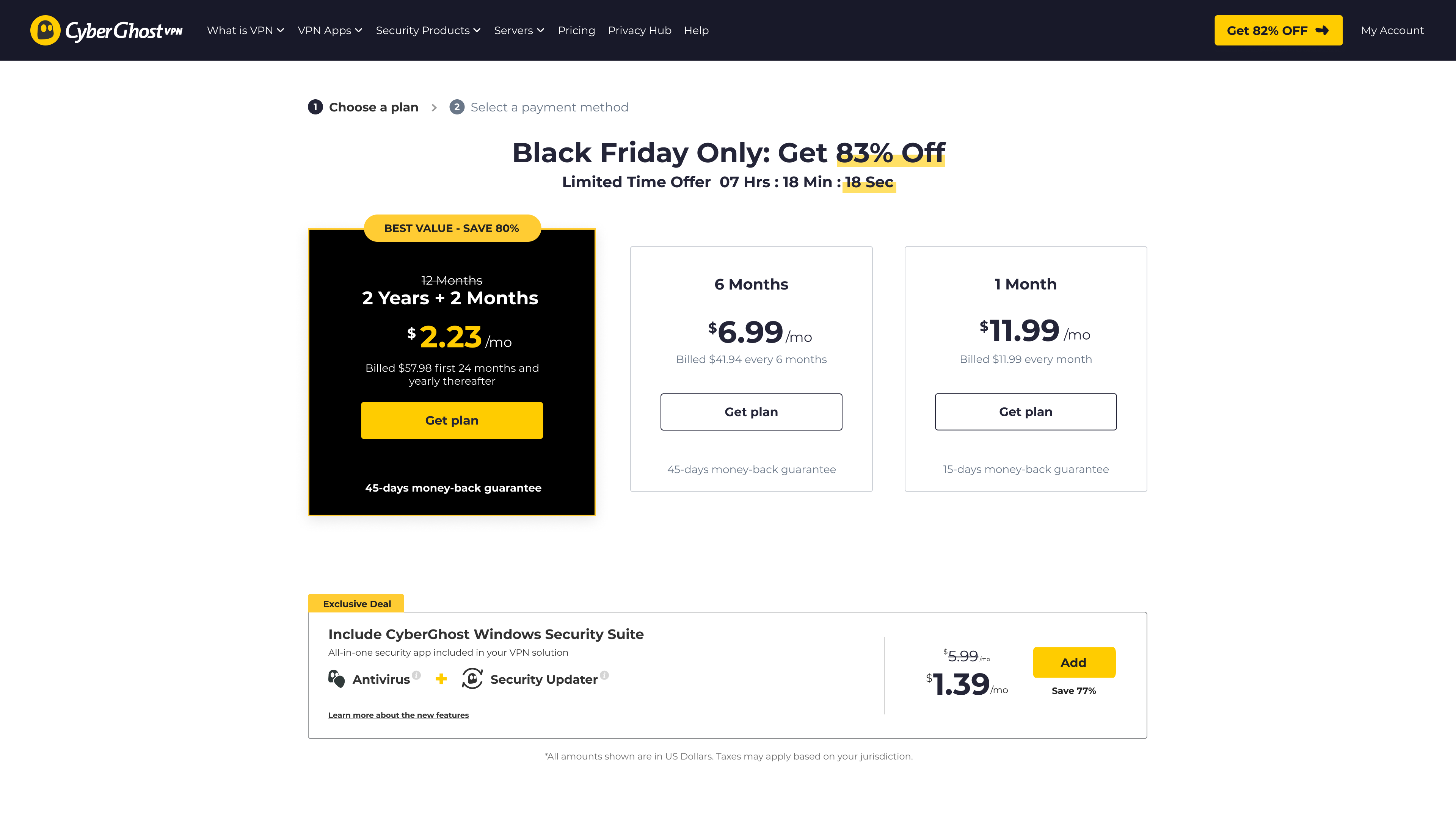
cyberghost pricing page

Hero plan centered

Variation

cyberghost pricing page

Hero plan moved from center

What happened

-17.5%

Overall conversion rate

-20%

2-year plan selection

Reordering the plans significantly hurt conversions. More users switched to shorter, cheaper plans instead of the higher-value 2-year option.

The original hierarchy wasn’t just visual styling — it was actively guiding users toward the recommended plan.

What we learned

The way plans are arranged directly affects purchasing decisions

The center position and visual emphasis strongly influenced plan selection

Even small layout changes can create major business impact

07 — Impact

The biggest impact wasn’t a single conversion uplift

it was changing how we understood user decision-making.

User behavior

User behavior

Users reacted more to visibility and hierarchy than additional content

Business impact

Small layout changes directly influenced purchasing behavior and revenue

Product thinking

Decisions became more grounded in real user behavior instead of assumptions

Optimizing a VPN funnel through behavioral insights

CRO Experiments @ CyberGhost VPN, 2022-2023

Company

CyberGhost VPN

Role

Product Designer

Team

2 Designers · CRO Team · Developers

CyberGhost CRO

01 — Background

CyberGhost VPN is a global VPN company focused on online privacy and security, serving millions of users worldwide. A large part of the business depended on how users moved through the pricing and checkout funnel.

This case study focuses on a series of experiments designed to improve that experience and better understand what drives hesitation before purchase. Users were reaching the pricing page, but many left without buying and we didn’t fully understand why.

My role focused on identifying behavioral patterns, translating research findings into design decisions, and designing experiments across the pricing and checkout funnel.

02 — The Problem

We were testing ideas without really understanding users

The pricing page already had ongoing optimization work and constant experimentation. But over time, the team realized something important: we were making decisions based more on assumptions than actual user behavior.

The data we relied on was outdated, and we lacked clear insight into why users reached the pricing page but didn’t complete a purchase.

Before testing new ideas, we first needed to understand what was actually creating hesitation and drop-offs in the purchase flow.

03 — Research

We started by listening to users

To better understand user hesitation, we launched exit-intent surveys across CyberGhost and sister brand PIA, reaching over 110,000 users across landing pages and pricing flows.

The first round used structured questions to identify recurring friction points, while the second asked one simple open question: “What made you leave without making a purchase today?”

Alongside survey responses, I analyzed heatmaps, scroll behavior, and funnel analytics to better understand how users interacted with the experience.

The research revealed recurring patterns around confusion, reassurance, and decision-making behavior across the funnel.

yberghost responses
PIA responses

Responses were grouped into recurring themes and compared against behavioral analytics and heatmaps.

04 — Insights

We started by listening to users

32%

left because of price

Price was #1 — but not the way we expected

Users weren’t just saying “too expensive.” They were confused by the pricing structure — renewal costs, upfront payments, and a money-back guarantee mistaken for a free trial.

“up front payment”

“thought there was a 30 day trial”

“do not want to pay more per month”

12%

didn’t understand what they get

Users couldn’t find what they needed

Users were actively looking for information about devices, servers, and streaming support, but much of it appeared too late in the flow or was easy to miss.

“I don’t know what I get”

“Is it router compatible?”

“can’t find germany in the europe list of servers”

73%

never scrolled below pricing

Users decide fast

Most users never scrolled past the pricing cards, so many users never saw the information below.

The challenge wasn’t adding more information, but making the right information visible at the right moment.

05 — design approach

The research changed the way we approached the funnel. Instead of adding more content, we focused on making the right information visible at the right moment.

These principles guided the experiments we designed:

Make key information visible

Users often decided before reaching large parts of the page. We focused on surfacing important information earlier in the flow.

Put information where hesitation happens

Pricing details, reassurance, and product benefits performed best when placed close to the decision point.

Improve behavior, not just layouts

Instead of redesigning everything, we focused on improving weak points within patterns users already understood and trusted.

06 — The Experiments

Experiment 1 - A sticky CTA that boosted add-ons

Win

Fully implemented

Why we tested this

Users lost the checkout CTA while scrolling through the pricing page, especially on mobile. We believed keeping the CTA visible would reduce hesitation during the purchase flow.

What we changed

We introduced a sticky checkout CTA that remained visible throughout the pricing flow.

Control

cyberghost pricing page

CTA disappears on scroll

Variation

cyberghost pricing page

CTA remains visible

What happened

+19.6%

add-on purchases

+6%

average order value

The sticky CTA didn’t increase VPN plan purchases directly, which surprised us. Instead, it increased users’ confidence to continue exploring add-ons.

What we learned

Keeping the CTA visible helped users stay in the flow longer

Users were less likely to drop off when the purchase action stayed accessible

Even a small UI change affected purchase behavior

Experiment 2 - More content didn’t increase conversions

Inconclusive

Iterated

Why we tested this

Research showed that many users felt unsure about what they were actually getting. We believed adding more product benefits, visuals, and reassurance below the pricing cards would help users feel more confident before purchasing.

What we changed

We expanded the pricing page with additional benefit sections, feature highlights, screenshots, and social proof placed below the pricing cards.

Control

Short benefit section near pricing

Variation

New section

Detailed product sections added below pricing

What happened

-2.5%

Overall conversion rate

Low interaction

With the new sections

The additional content didn’t improve conversions. Heatmaps showed that most users never reached the new sections.

Users weren’t asking for more content — they were asking for the right information earlier in the flow.
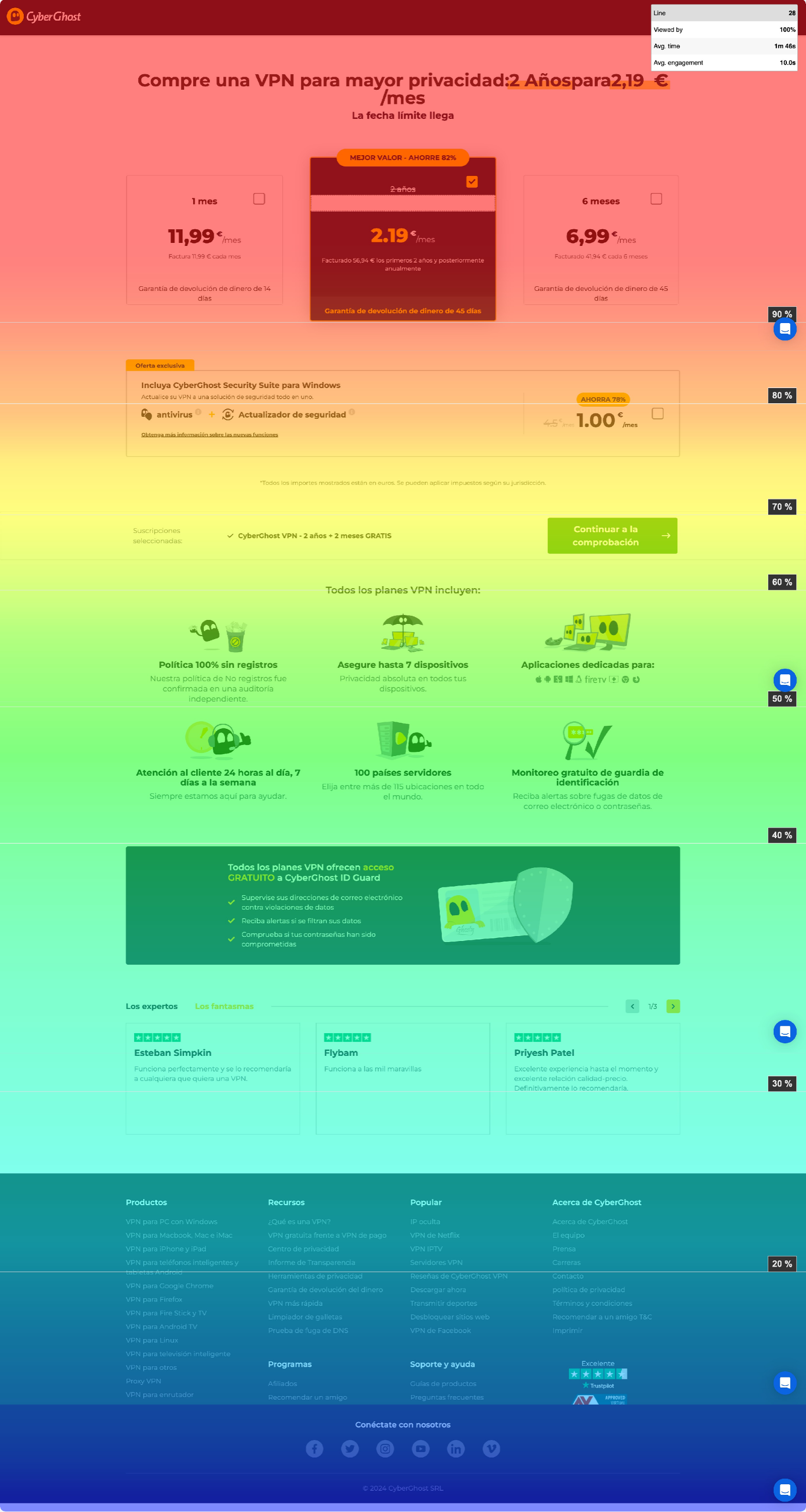
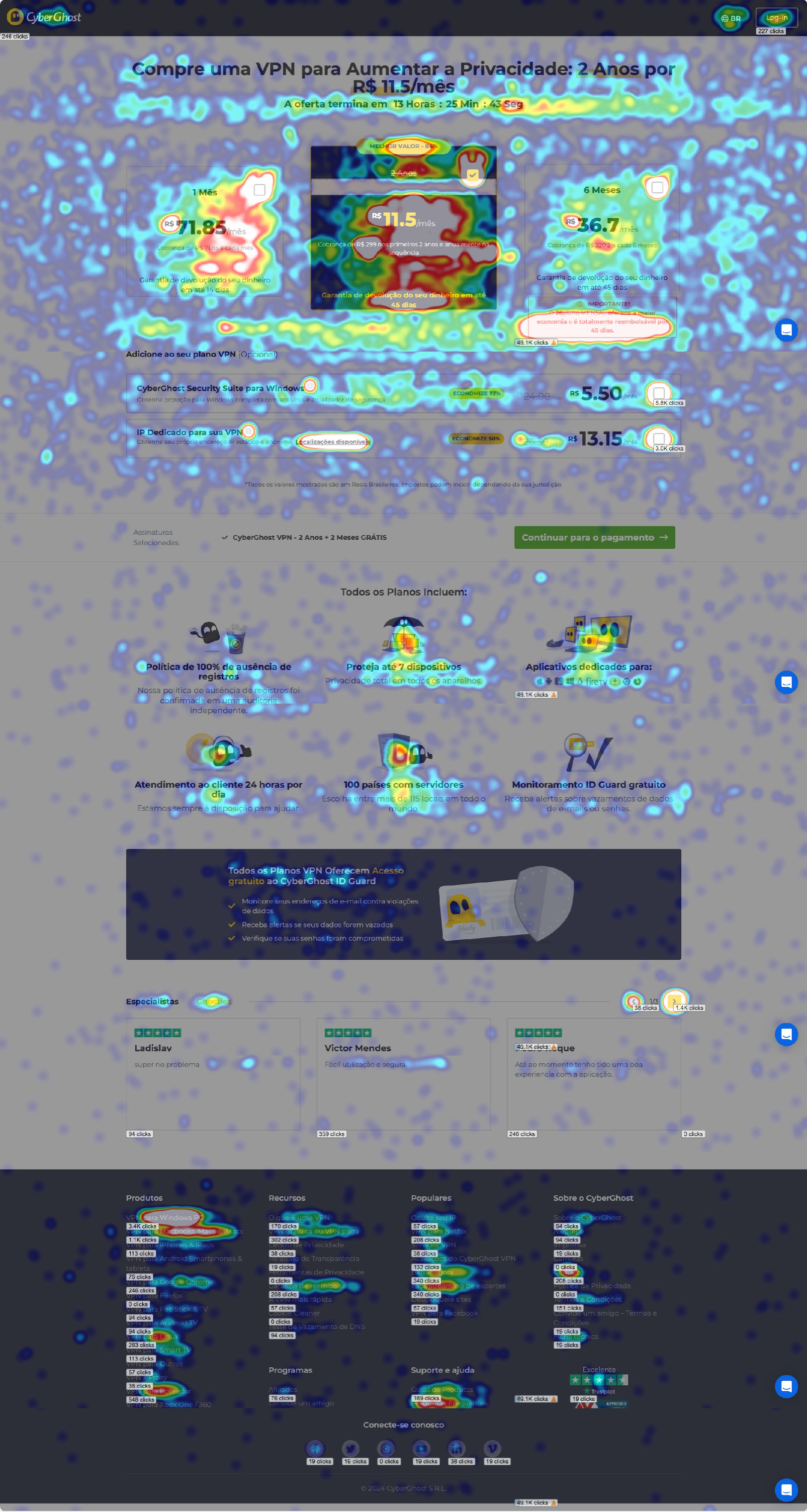
cyberghost heatmap
cyberghost heatmap

What we learned

Most users made decisions before reaching the new sections

Placement mattered more than content volume

Experiment 3 - Reordering the plans hurt conversions

Lost

Abandoned

Why we tested this

We wanted to understand how much the pricing layout itself influenced decision-making. We believed reordering the plans might help users compare options more easily and choose faster.

What we changed

We moved the highlighted 2-year “best value” plan out of its central position and reordered the pricing plans in a different sequence.

Control
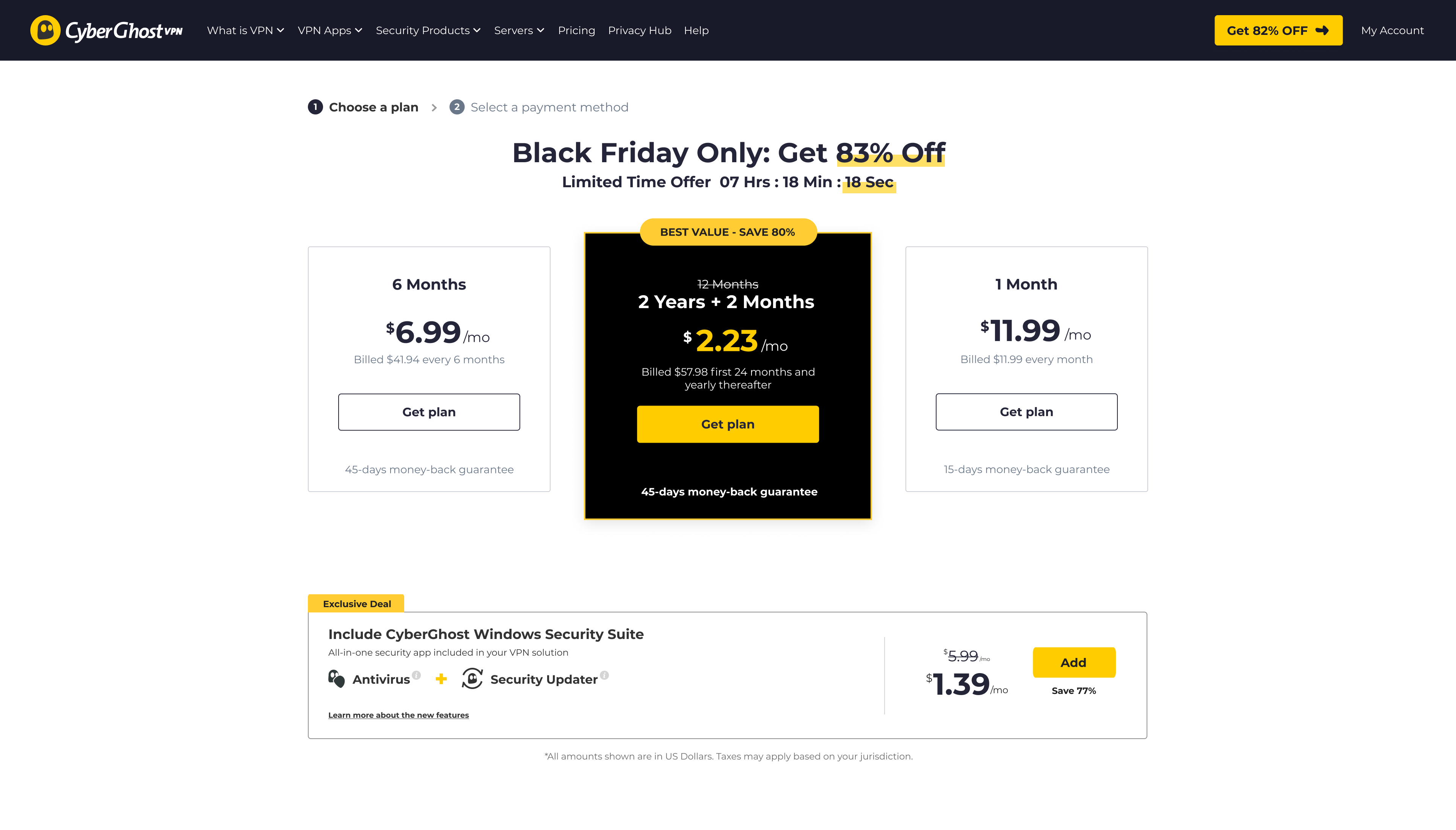
cyberghost pricing page

Hero plan centered

Variation

cyberghost pricing page

Reordered plan

Hero plan moved from center

What happened

-17.5%

Overall conversion rate

-20%

2-year plan selection

Reordering the plans significantly hurt conversions. More users switched to shorter, cheaper plans instead of the higher-value 2-year option.

The original hierarchy wasn’t just visual styling — it was actively guiding users toward the recommended plan.

What we learned

The way plans are arranged directly affects purchasing decisions

The center position and visual emphasis strongly influenced plan selection

Even small layout changes can create major business impact

07 — Impact

The biggest impact wasn’t a single conversion uplift

it was changing how we understood user decision-making.

User behavior

User behavior

Users reacted more to visibility and hierarchy than additional content

Business impact

Small layout changes directly influenced purchasing behavior and revenue

Product thinking

Decisions became more grounded in real user behavior instead of assumptions

Optimizing a VPN funnel through behavioral insights

CRO Experiments @ CyberGhost VPN, 2022-2023

Company

CyberGhost VPN

Role

Product Designer

Team

2 Designers · CRO Team · Developers

CyberGhost CRO

01 — Background

CyberGhost VPN is a global VPN company focused on online privacy and security, serving millions of users worldwide. A large part of the business depended on how users moved through the pricing and checkout funnel.

This case study focuses on a series of experiments designed to improve that experience and better understand what drives hesitation before purchase. Users were reaching the pricing page, but many left without buying and we didn’t fully understand why.

My role focused on identifying behavioral patterns, translating research findings into design decisions, and designing experiments across the pricing and checkout funnel.

02 — The Problem

We were testing ideas without really understanding users

The pricing page already had ongoing optimization work and constant experimentation. But over time, the team realized something important: we were making decisions based more on assumptions than actual user behavior.

The data we relied on was outdated, and we lacked clear insight into why users reached the pricing page but didn’t complete a purchase.

Before testing new ideas, we first needed to understand what was actually creating hesitation and drop-offs in the purchase flow.

03 — Research

We started by listening to users

To better understand user hesitation, we launched exit-intent surveys across CyberGhost and sister brand PIA, reaching over 110,000 users across landing pages and pricing flows.

The first round used structured questions to identify recurring friction points, while the second asked one simple open question: “What made you leave without making a purchase today?”

Alongside survey responses, I analyzed heatmaps, scroll behavior, and funnel analytics to better understand how users interacted with the experience.

The research revealed recurring patterns around confusion, reassurance, and decision-making behavior across the funnel.

yberghost responses
PIA responses

Responses were grouped into recurring themes and compared against behavioral analytics and heatmaps.

04 — Insights

Three things that changed our thinking

32%

left because of price

Price was #1 — but not the way we expected

Users weren’t just saying “too expensive.” They were confused by the pricing structure — renewal costs, upfront payments, and a money-back guarantee mistaken for a free trial.

“up front payment”

“thought there was a 30 day trial”

“do not want to pay more per month”

12%

didn’t understand what they get

Users couldn’t find what they needed

Users were actively looking for information about devices, servers, and streaming support, but much of it appeared too late in the flow or was easy to miss.

“I don’t know what I get”

“Is it router compatible?”

“can’t find germany in the europe list of servers”

73%

never scrolled below pricing

Users decide fast

Most users never scrolled past the pricing cards, so many users never saw the information below.

The challenge wasn’t adding more information, but making the right information visible at the right moment.

05 — design approach

The research changed the way we approached the funnel. Instead of adding more content, we focused on making the right information visible at the right moment.

These principles guided the experiments we designed:

Make key information visible

Users often decided before reaching large parts of the page. We focused on surfacing important information earlier in the flow.

Put information where hesitation happens

Pricing details, reassurance, and product benefits performed best when placed close to the decision point.

Improve behavior, not just layouts

Instead of redesigning everything, we focused on improving weak points within patterns users already understood and trusted.

06 — The Experiments

Experiment 1 - A sticky CTA that boosted add-ons

Win

Fully implemented

Why we tested this

Users lost the checkout CTA while scrolling through the pricing page, especially on mobile. We believed keeping the CTA visible would reduce hesitation during the purchase flow.

What we changed

We introduced a sticky checkout CTA that remained visible throughout the pricing flow.

Control

cyberghost pricing page

CTA disappears on scroll

Variation

cyberghost pricing page

CTA remains visible

What happened

+19.6%

add-on purchases

+6%

average order value

The sticky CTA didn’t increase VPN plan purchases directly, which surprised us. Instead, it increased users’ confidence to continue exploring add-ons.

What we learned

Keeping the CTA visible helped users stay in the flow longer

Users were less likely to drop off when the purchase action stayed accessible

Even a small UI change affected purchase behavior

Experiment 2 - More content didn’t increase conversions

Inconclusive

Iterated

Why we tested this

Research showed that many users felt unsure about what they were actually getting. We believed adding more product benefits, visuals, and reassurance below the pricing cards would help users feel more confident before purchasing.

What we changed

We expanded the pricing page with additional benefit sections, feature highlights, screenshots, and social proof placed below the pricing cards.

Control

cyberghost pricing page

Short benefit section near pricing

Variation

New section

Detailed product sections added below pricing

What happened

-2.5%

Overall conversion rate

Low interaction

With the new sections

The additional content didn’t improve conversions. Heatmaps showed that most users never reached the new sections.

Users weren’t asking for more content — they were asking for the right information earlier in the flow.

cyberghost heatmap
cyberghost heatmap

What we learned

Most users made decisions before reaching the new sections

Placement mattered more than content volume

Experiment 3 - Reordering the plans hurt conversions

Lost

Abandoned

Why we tested this

We wanted to understand how much the pricing layout itself influenced decision-making. We believed reordering the plans might help users compare options more easily and choose faster.

What we changed

We moved the highlighted 2-year “best value” plan out of its central position and reordered the pricing plans in a different sequence.

Control

cyberghost pricing page

Hero plan centered

Variation

cyberghost pricing page

Reordered plan

Hero plan moved from center

What happened

-17.5%

Overall conversion rate

-20%

2-year plan selection

Reordering the plans significantly hurt conversions. More users switched to shorter, cheaper plans instead of the higher-value 2-year option.

The original hierarchy wasn’t just visual styling — it was actively guiding users toward the recommended plan.

What we learned

The way plans are arranged directly affects purchasing decisions

The center position and visual emphasis strongly influenced plan selection

Even small layout changes can create major business impact

07 — Impact

The biggest impact wasn’t a single conversion uplift

it was changing how we understood user decision-making.

User behavior

User behavior

Users reacted more to visibility and hierarchy than additional content

Business impact

Small layout changes directly influenced purchasing behavior and revenue

Product thinking

Decisions became more grounded in real user behavior instead of assumptions